
A lantern is a small thing—wood, paper, glass, metal. A vessel holding fire or filament. And yet in darkness, it feels like more than light. It feels like hope you can carry in your hands.
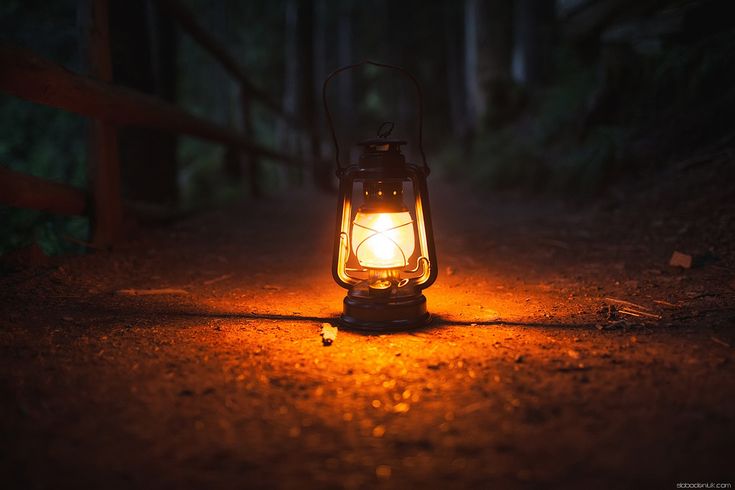
Lanterns never reveal the whole road. Only a circle of brightness, enough for the next few steps. You walk into the unknown, guided not by certainty but by what the lantern chooses to show. The lesson is simple: you don’t need to see everything to keep going.
They also teach us that light is meant to be shared. A lantern doesn’t burn for itself. Its glow spills outward, guiding the holder and anyone walking close by. A small flame becomes community.
Across cultures, lanterns have become symbols of more than light. Paper lanterns drifting skyward carry prayers and wishes, small stars rising to meet the night. Red lanterns strung across streets announce festivals, abundance, joy. Floating lanterns on rivers honor the dead, each flicker a memory carried gently away.
But a lantern doesn’t need ceremony to matter. Think of a child clutching one at a campsite, shadows dancing across the trees. A hiker catching the gleam of a trail marker at dusk. A lantern lit on a porch, welcoming someone home. Ordinary moments made softer, safer, by the presence of a flame.
And maybe this is the lantern’s deepest wisdom: it doesn’t erase the night. It doesn’t conquer darkness. It simply carves out a circle where we can walk, rest, or gather without fear. The dark remains, but within it is warmth, presence, steadiness.
In the end, the lantern whispers that even in the darkest hours, a little light is enough to find the way forward.




 Essays, Art and Plays by Dan
Leave a reply to Anonymous Cancel reply