A haiku is a traditional form of Japanese poetry that has captivated writers and readers around the world with its brevity and depth. Characterized by its concise structure, a haiku is capable of conveying profound observations about nature, emotions, and human experiences in a remarkably succinct way.
The essence of haiku lies in its ability to capture a fleeting moment in time, offering a snapshot that evokes a specific emotional response. This form of poetry often incorporates a “kigo,” a word or phrase that symbolizes or implies a particular season, grounding the poem in a particular temporal context. The juxtaposition of contrasting images or ideas, known as “kireji” or cutting word, in haiku also serves to intensify the emotional impact.
One of my favorite haiku by Kobayashi Issa provides a poignant reflection on life and perseverance:
The world of dew, a world of dew indeed, and yet, and yet
Issa’s repetition and the ellipsis at the end express a deep emotional conflict and resignation, acknowledging the ephemeral nature of life symbolized by dew, while also suggesting a lingering attachment to the transient beauties of the world.
Writing haiku presents unique challenges such as requiring the poet to distill vast meanings and emotions into very few words. This limitation can be daunting but also rewarding, as it pushes the poet to engage deeply with language, imagery, and the subtleties of expression. Crafting a successful haiku involves not only linguistic skill but also a deep awareness of the moment and a thoughtful consideration of nature and existential themes.
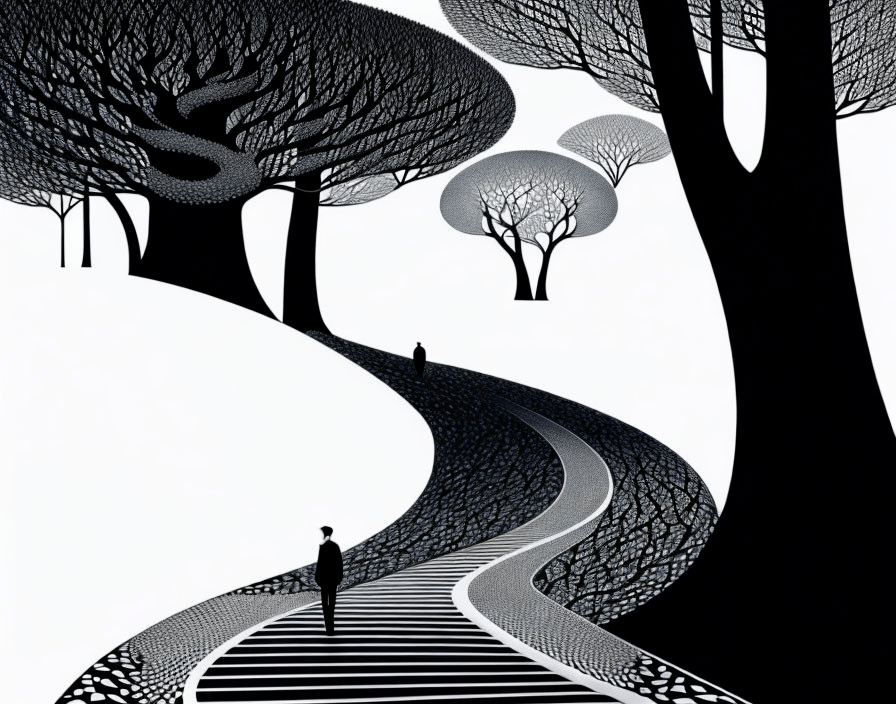
The rewards of writing haiku are manifold. It trains the mind to observe subtleties and to find significance in the mundane. Haiku also promotes a form of meditation, urging poets to live in the present and to notice the beauty and profundity of the natural world. Moreover, the act of writing haiku can be a deeply personal and reflective practice, helping poets connect with their inner selves and the universe around them.
Despite its ancient origins, haiku remains relevant and popular in contemporary literature due to its universal themes and its powerful yet minimalist form. It transcends cultural and linguistic boundaries, offering a form of expression that is both accessible and profound. In an age dominated by fast-paced and often superficial interactions, the haiku provides a refreshing reminder of the beauty of simplicity and the depth that can be achieved with just a few carefully chosen words. Thus, haiku not only enriches the literary landscape but also continues to inspire, challenge, and resonate with poets and readers alike



 Essays, Art and Plays by Dan
Leave a reply to banjoman2022 Cancel reply