
In A Shadow in the Wind, Herb Barrett offers more than a collection of haiku and senryu—he gifts us a series of still frames from life’s reel. With spare language and quiet precision, his poems drift like leaves on a breeze, brushing against themes of grief, humor, memory, and decay. These moments don’t announce themselves. They whisper. They nudge. They wait to be noticed.
Barrett’s verses do not seek to astonish—they ask us to stop. To look again. Whether in the hush of Steeltown’s rusted factories, the fragile bloom of a red peony, or the long quiet of old age, his poems turn the everyday into small ceremonies of attention.
Let’s linger with four poems from the collection—each one a pinprick in the tapestry of existence.
The day my mother died
wilted roses in a vase
and April just beginning
Here, personal loss is quietly placed beside the rising pulse of spring. The contrast is devastating: a vase of wilted roses, beautiful even in decay, beside the cruel innocence of April’s beginning. Time doesn’t pause for grief; it flowers anyway. Barrett doesn’t explain this tension—he simply lets it bloom in silence.
At the Martyr’s Shrine
lake gulls resting
on stations of the cross
This poem folds sacred tradition into the mundane. Gulls, unaware of the solemnity of the place, claim it as resting ground. There’s no mockery here—just a gentle questioning of human meaning-making in a world that doesn’t always answer back.
Punk rock band —
the acne
and the agony
With a chuckle and a wince, Barrett captures adolescence in a single shout. The rawness of performance, the sting of insecurity, the beautiful absurdity of rebellion—it’s all here. There’s empathy under the humor, a kind of fondness for the acne-scarred heart just trying to be heard.
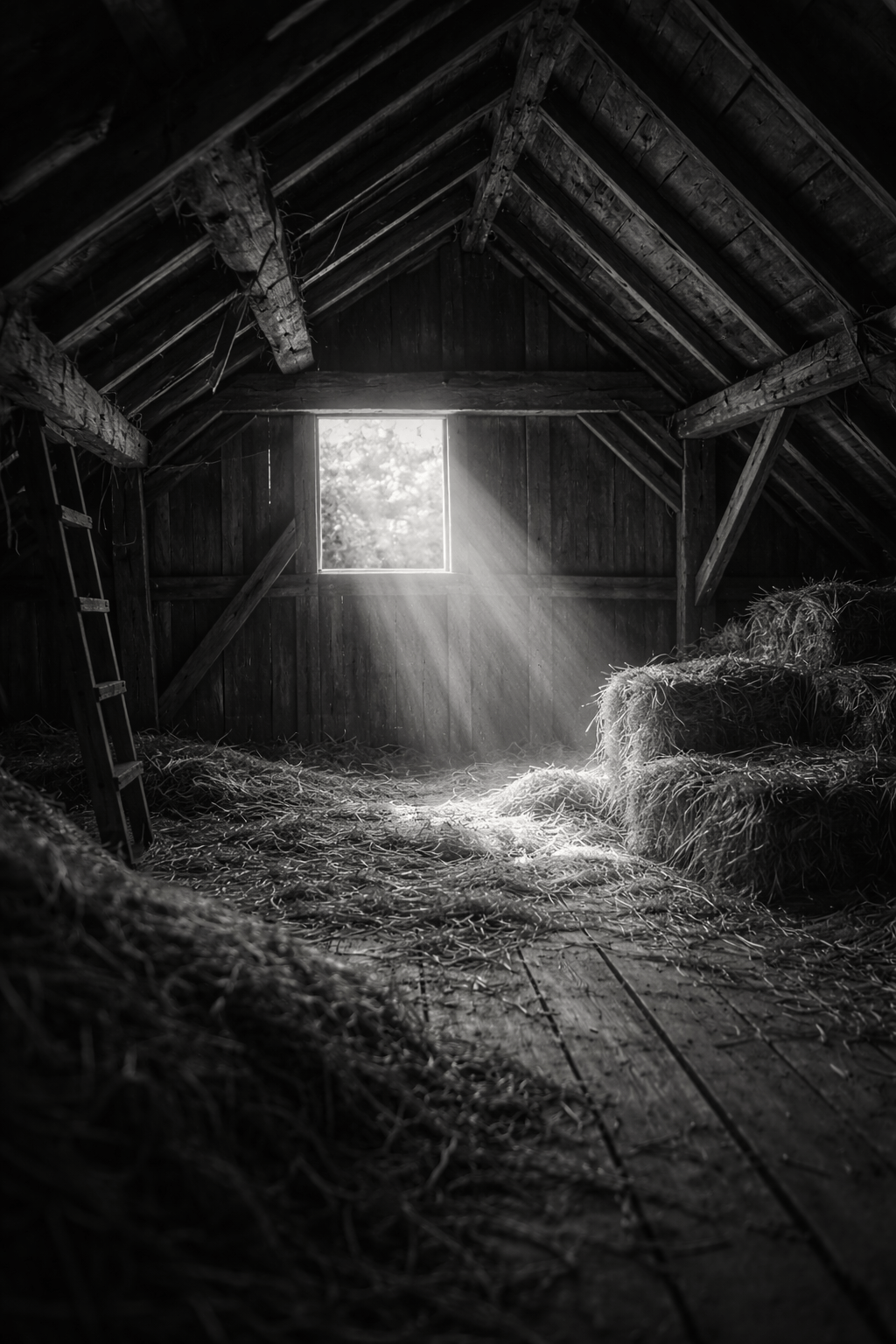
A shadow in the wind
the colour of NOW
limned by darkness
The title poem feels like an open-ended question. What is the color of NOW? Barrett doesn’t define it; he sketches its outline in shadow and movement. This poem is all atmosphere, all mood. It hangs, like breath in winter, visible for a moment—then gone.
Conclusion:
Shadow in the Wind isn’t just a collection—it’s an invitation. Barrett’s poems ask us to slow down, to notice what’s usually missed in the rush of days. His gaze is wide, but his touch is delicate. He shows us that meaning doesn’t shout—it murmurs from alleyways, old shoes, cracked mirrors, and springtime vases.
And if we’re still long enough, the shadows speak.
You can read the entire book in the THF Digital Library. Please share your favorite poem from the book with us.
—————
If you would like to make a donation to support my writing and art, THANK YOU, and here is the link:
https://www.paypal.com/donate/?hosted_button_id=5AU3MC77HRA8E

 Essays, Art and Plays by Dan
Leave a comment