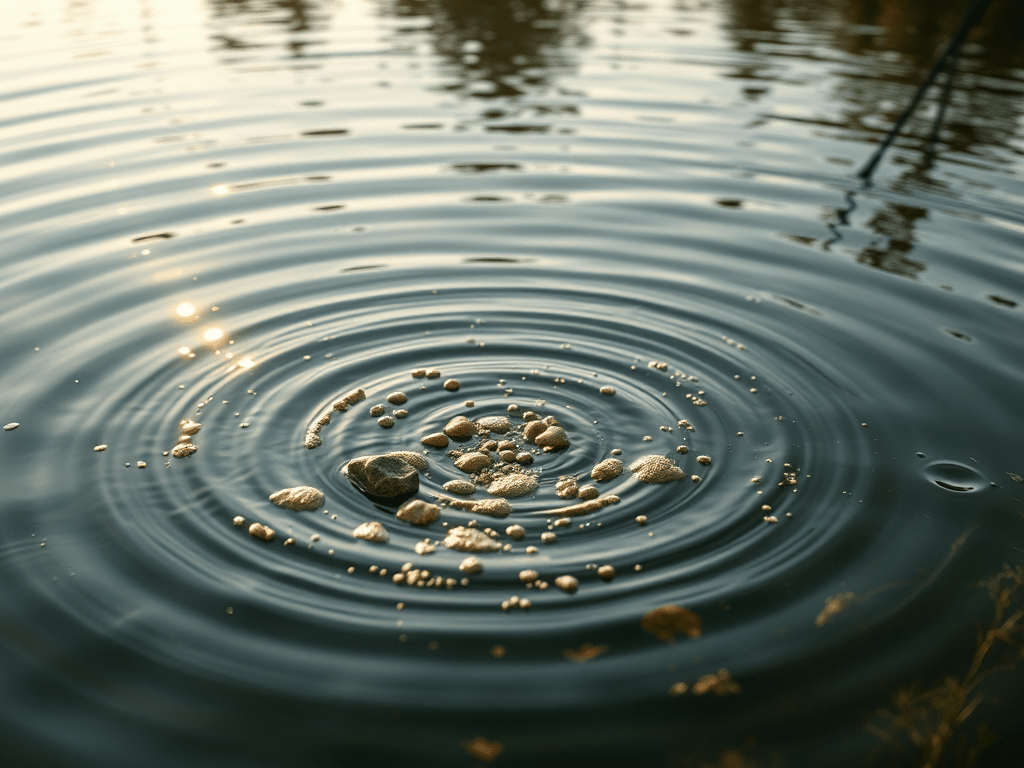
In Endangered Metaphors, George Swede doesn’t just write poems—he drops pebbles into the still water of our minds and listens for the ripples. His verses are small, yes, but their echoes stretch across galaxies of meaning. With the sharp elegance of haiku, Swede turns minimalism into a philosophical lantern.
These are not just poems; they are survival strategies. Language, memory, and the tattered self—they all find refuge in Swede’s compressed worlds. His metaphors, fragile and fierce, refuse extinction. They evolve. They resist.
fishing
throwing back endangered
metaphors
A poem as sly as it is sorrowful. Imagine the poet as a modern-day angler, pulling shimmering metaphors from the depths—only to return them to the waters of indifference. Is he saving them? Abandoning them? Or simply acknowledging that in a world obsessed with algorithms and analytics, metaphors are no longer what’s for dinner? The line stings with irony—and yet, it floats.
tending my cortex
hard to tell the weeds
from the flowers
Here, the poet becomes gardener of his own mind, fingers deep in the soil of thought. But clarity evades him. Is that idea a bloom or a blight? The “cortex” is clinical, but the question is ancient. Swede prunes neuroscience with poetry, and in the tension between weed and wonder, a new kind of beauty grows.
barber shop floor
the unneeded parts
of string theory
Physics meets follicles. Hair lies scattered like failed equations, and the cosmos, in all its elegance, ends up swept into a dustpan. Swede gives us a universe humbled—its grand theories trimmed like split ends. It’s witty, yes, but behind the grin is a whisper: what if all our knowledge is just detritus on the barbershop floor of time?
shopping list running out of despair
Bitter comedy alert. Here, Swede shops for emotions like they’re on sale. Despair, apparently, is in short supply—or maybe we’ve consumed so much that we’re numb to it. It’s a line that makes you laugh and wince at once, like a sad clown slipping on a banana peel.
Conclusion
In Endangered Metaphors, metaphor itself becomes an endangered species—threatened not by violence, but by noise. By data. By dullness. Yet through Swede’s lens, it survives. It adapts. It grows lean and sharp, like a creature in the wild learning how to hide, how to hunt, how to mean more with less. In a world drowning in exposition, George Swede reminds us that sometimes, a whisper is louder than a scream.
—-
You can read the entire book in the THF Digital Library. Please share your favorite poem from the book with us.

 Essays, Art and Plays by Dan
Leave a comment