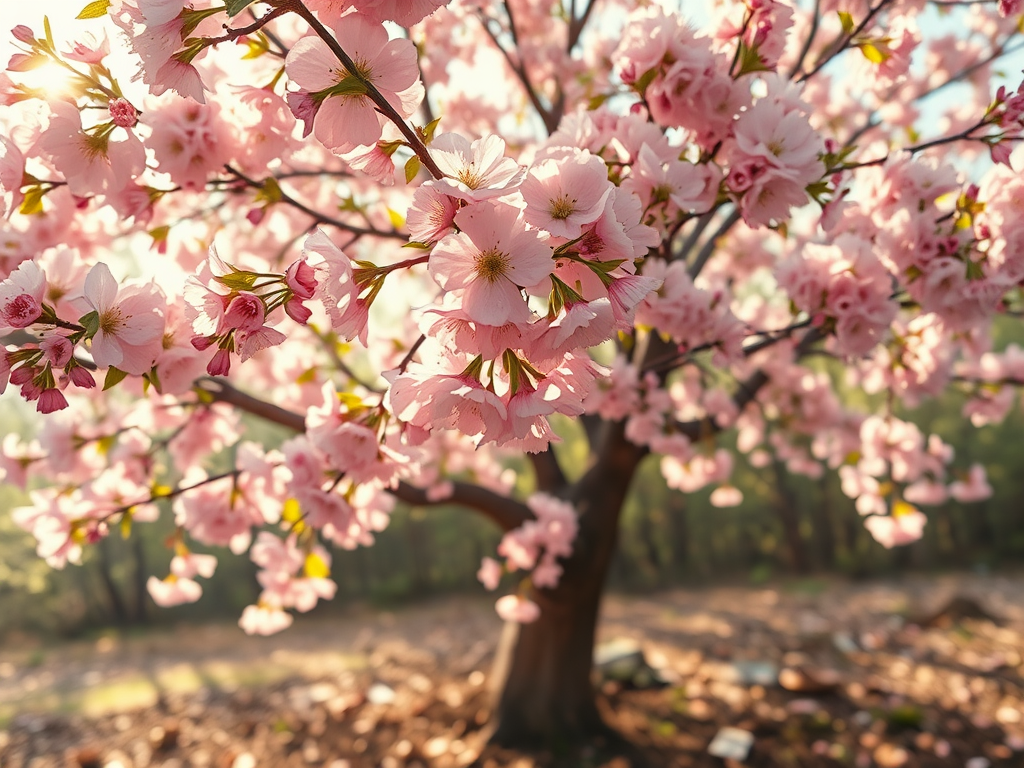
Time flickers like a candle in the wind—and for those living with dementia, time does not march forward in neat, measured steps. It loops, disappears, then resurfaces—sometimes in the scent of rain, the crisp bite of an apple, or the warmth of a remembered touch.
Signs of Spring: Haiku Poems by Persons with Dementia captures these glimpses. Through haiku, it reminds us that even as memory shifts, the essence of self remains.
This haiku highlights taste as a time machine:
strawberries still a little sour
still taste them
I’m a kid again
The mind may lose track of dates and names, but a single taste can collapse time. In one moment, a person is both present and past, held together by the tartness of a berry.
Forgetfulness is often framed as loss, but in these haiku, it becomes something else—an openness, a way to see the world anew. Consider this one:
signs of spring
the earth smells like lemonade
inferences all over
The earth does not just smell fresh—it smells like lemonade. There is joy in this discovery, in the playful mixing of senses.
Even as faces and dates dissolve, love endures. Some haiku capture this with striking simplicity:
my mother
wears a pink apron
making a meal
A pink apron—one small detail—becomes a touchstone, an anchor for a lifetime of warmth and care.
Despite the challenges of dementia, this haiku radiates playfulness and delight. One poem captures childlike exuberance:
jumping in puddles
more water in your boots
than out
Perhaps the most poignant haiku in the collection is one that acknowledges time’s passage while holding fast to memory:
thinking of the past
we do a lot of that
and more as we get older
Here, past and present blur into a quiet reflection. There is no fear, no regret—only gentle acceptance.
A Final Reflection
Signs of Spring is more than a book of poetry—it is a testament to the resilience of the human spirit. These poems invite us to see dementia not only as loss, but as a different way of experiencing time and self. They remind us that every moment, no matter how fleeting, holds poetry. Perhaps that is what memory truly is—not a neatly cataloged archive, but a collection of vivid, untethered haiku. By reflecting upon these poems, we, too, are invited to think about how we hold onto memory.
—-
You can read the entire book in the THF Digital Library. Please share your favorite poem from the book with us.
 Essays, Art and Plays by Dan
Leave a comment