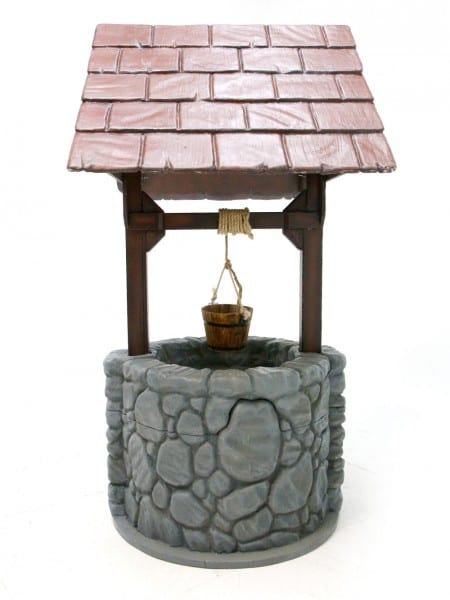
There’s something oddly comforting about a wishing well.
They tend to sit quietly on the edges of places—stone circles half-covered in moss, tucked into gardens, or glittering with coins in the middle of busy city squares. Most of the time, we pass them without much thought. But every once in a while, we stop. We lean in. We close our eyes. And we wish.
It’s a strange, beautiful ritual, isn’t it?
Wishing wells go way back—like, ancient myth back. In Celtic traditions, wells and springs were sacred, believed to be watched over by spirits. The Greeks and Romans tossed coins into water hoping the gods would listen. In Norse mythology, there’s Mímir’s well, a deep pool of wisdom beneath the roots of the world tree. So across cultures, still water wasn’t just something to drink from—it was something to speak to.
And honestly, I get it. There’s something about quiet water that feels… available. Like it’s holding space for you. It doesn’t talk back or demand proof. It just listens. Patiently. Maybe that’s why we find ourselves bending over fountains or pausing at the edge of a shallow well, even when we know, logically, that it’s “just” water.
Wishing wells have stuck around for a reason. They don’t promise answers, but they offer something else: a moment to stop, breathe, and admit what we want. Even if we never say it out loud. Even if it’s just between us and the water.
So no, I don’t think wishing wells are silly. I think they remind us it’s okay to want something more. To hope.
Because even if the wish sinks to the bottom and stays there, the act of making it still means something.
It means we haven’t stopped believing.

 Essays, Art and Plays by Dan
Leave a comment